These are my latest contributions
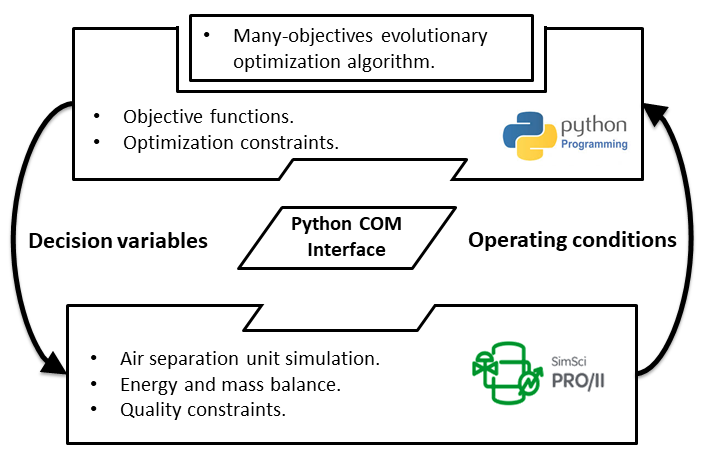
Many-Objective Simulation-Based Optimization of an Air Separation Unit.
Air separation systems are crucial in the production of oxygen, which has gained particular relevance during the COVID-19 outbreak. Mechanical ventilation can compensate respiratory deficiencies along with the use of medical oxygen in vulnerable patients infected with this disease. In this contribution, a many-objective simulation-based optimization framework is proposed for determining eleven decision variables for the operation of an air separation unit.

Modular Framework for Simulation-Based Multi-objective Optimization of a Cryogenic Air Separation Unit
A framework for obtaining flexible optimal operating conditions is proposed for an air separation unit case study.
The optimization problem is formulated considering three objective functions, eleven decision variables, and two constraint approaches.
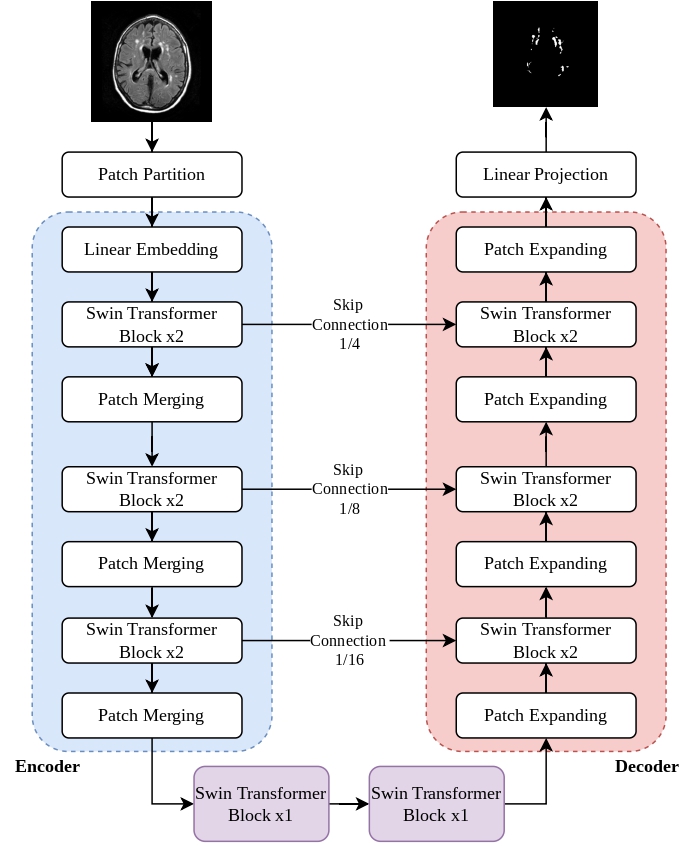
Automatic Brain White Matter Hyperintensities Segmentation with Swin U-Net
This work proposes an automatic segmentation ap-
proach to detect White Matter Hyperintensities (WMH) using
Fluid Attenuated Inversion Recovery (FLAIR) and the corre-
sponding T1 weighted MRI images. In this work, we used the
Swin U-Net architecture based on Transformers and compared
its performance with two currently reported CNN U-Nets architectures.
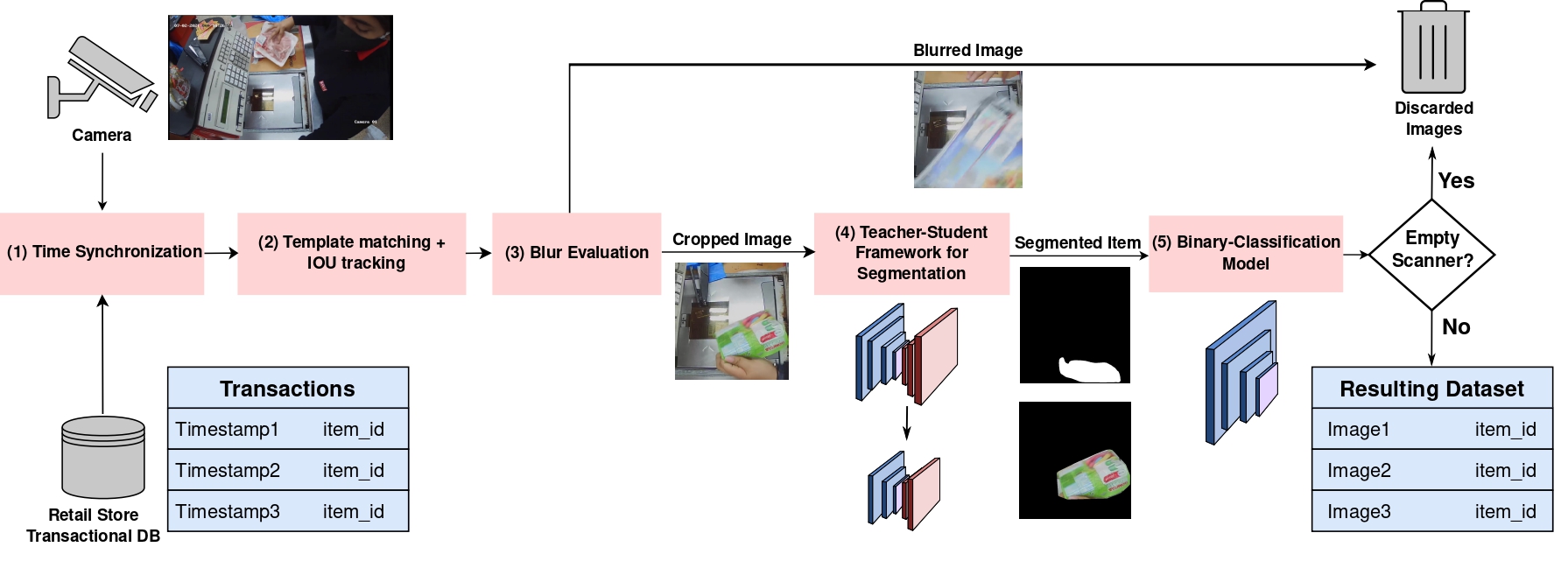
Automatic Retail Dataset Creation with Multiple Sources of Information Synchronization
We propose a novel methodology to automatically create and continuously extend a dataset of images of retail items by synchronizing two streams of information: (1) video recordings of the items being scanned at the Point of Sale (POS) and (2) the registry of the transactional database collected at the POS.
Our approach is able to collect hundreds of thousands of images of distinct classes at virtually no cost, avoiding the expensive task of manual labeling at scale.
Additionally, our approach is able to handle the dynamics of the retail scene such as the arrival of seasonal items and the dismiss of discontinued items, extending or reducing the image collection appropriately.
Furthermore, images in our dataset are collected during the natural execution of daily operations, presenting natural illumination, occlusion, and view variations, which make it a rich dataset for robust modeling.
Finally, in this paper we present the RI6K++ dataset, obtained using our methodology.
These personal projects are mainly created using Python and R.

RFM Analysis
This repository contains code, data, and resources related to the Recency, Frequency, and Monetary (RFM) analysis technique. RFM analysis is a powerful method for segmenting customers based on their buying behavior, allowing businesses to identify high-value customers and tailor their marketing strategies accordingly.

Produce Classifier
The purpose of this repository is to create model to classifier plants and fruits using Tensorflow.

Sentiment Analysis for Amazon Reviews
The purpose of this project is to create a product classifier that predicts whether a person likes a product or not. To accomplish this task, we utilized traditional machine learning models such as Logistic Regression and Support Vector Machines (SVMs). We used a dataset of customer reviews and ratings to train and test our models.
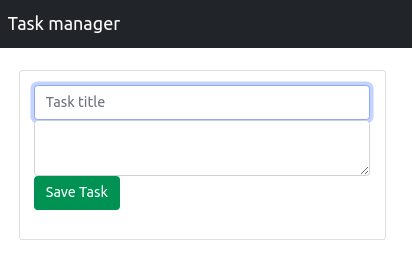
A task manager
This task manager is composed by 4 main operations Create Read Update Delete.
A connection between php and mysql is established in this project.
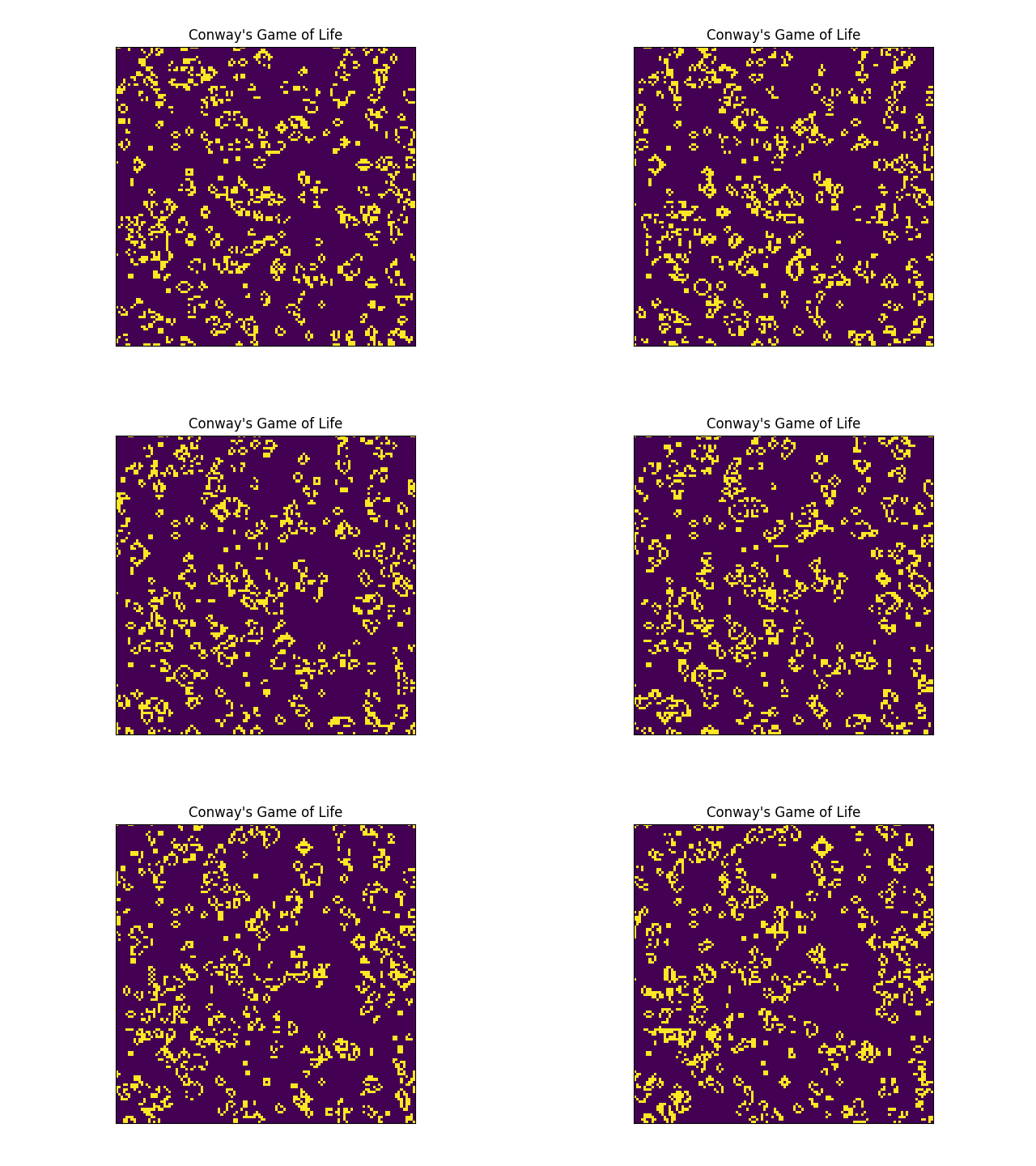
Game of Life by John Conway
This Python programme is based on the Game of Life proposed by John Conway. This is also known as the zero-player game.
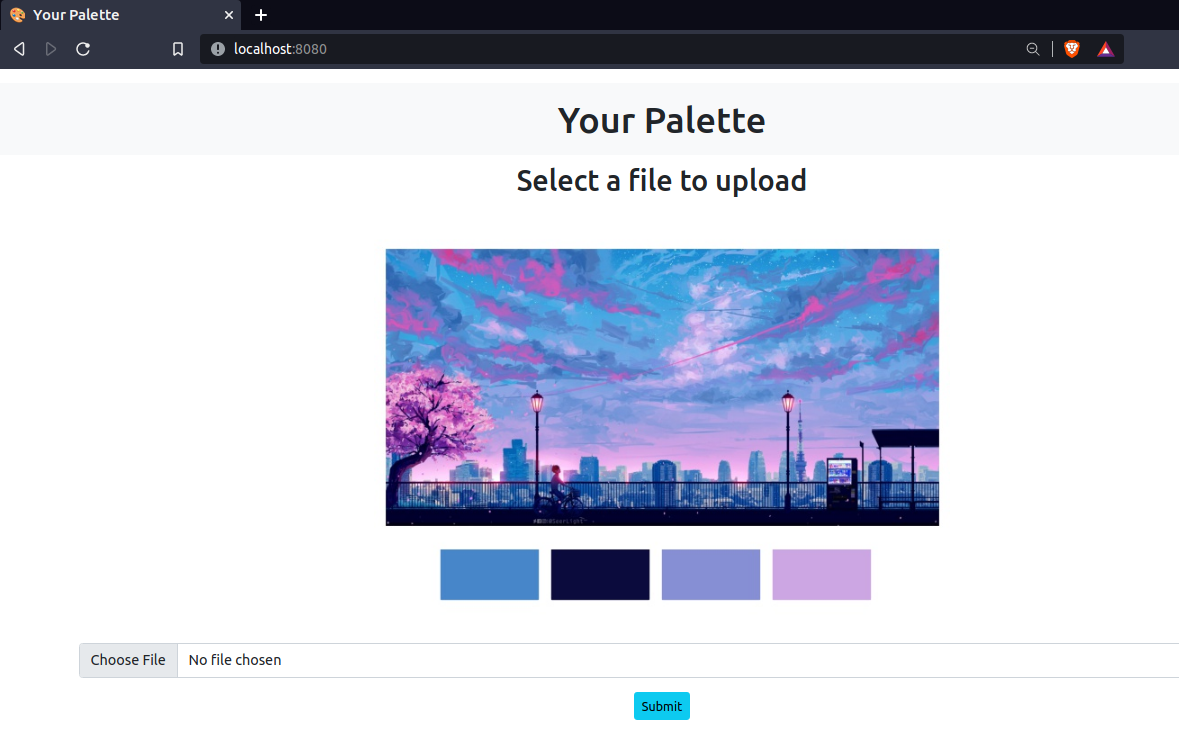
YourPalette
A web app that gives a color palette of your pictures based on a clustering algorithm